Strategy & Growth
Product Build
Dedicated Teams
Hire Developers
Process & Digitalization
Plan for Exit
Structure that scales.
Operations that work.
ITIL-based process design, IT service management, and digital transformation. We help you build operations that don't break as you grow.
Most IT budgets are spent maintaining, not building.
Industry data shows that 60-80% of IT budgets go to maintaining existing systems. Not because teams aren't capable, but because operational debt compounds. Every unvalidated process, every quick fix, every workaround adds to the weight.
The result: incident volumes that never stabilize, resolution times that keep growing, and teams stuck in firefighting mode instead of building value.
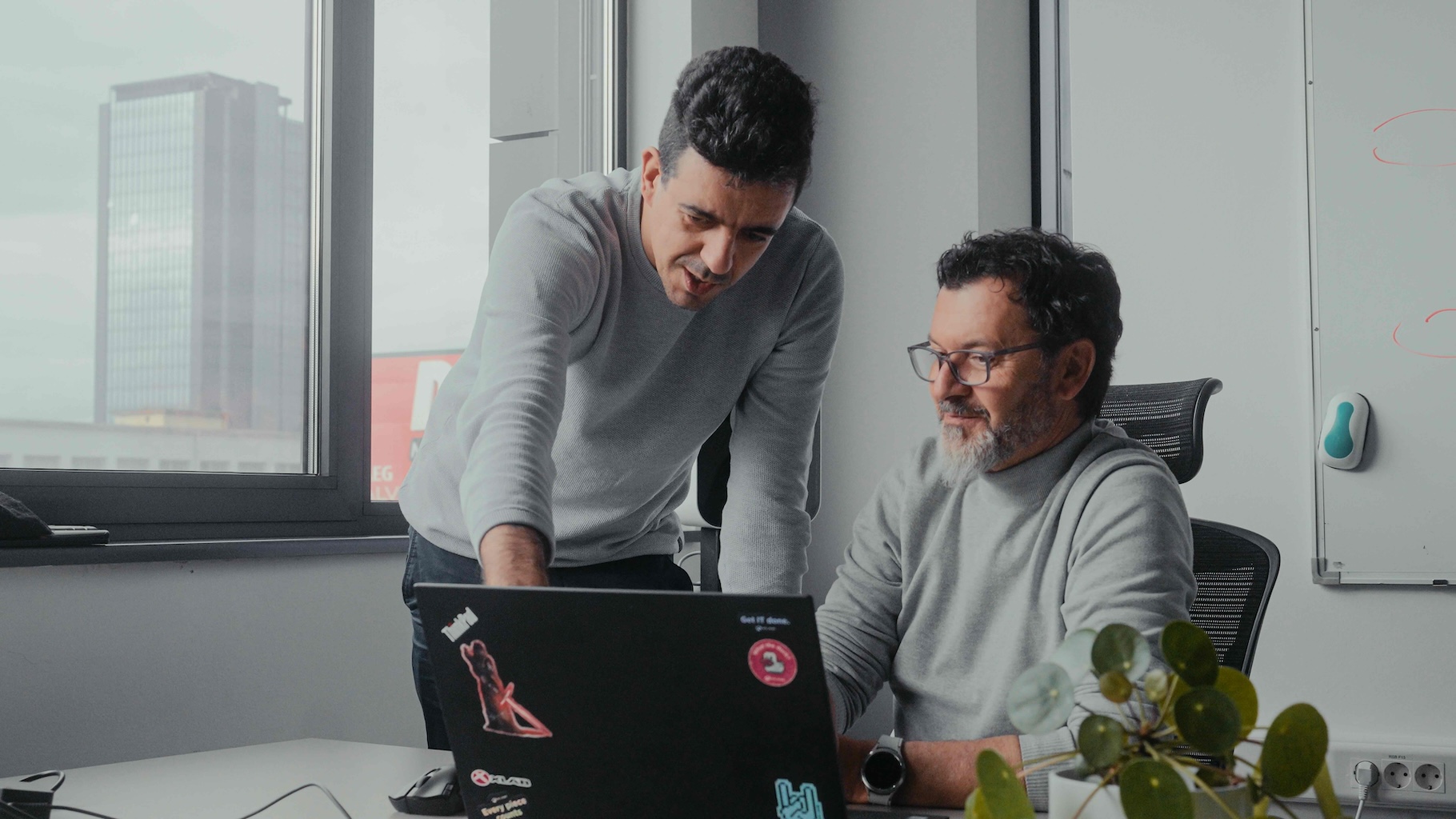
The hidden cost of "just ship it"
Operational debt doesn't stay static. It compounds.
The Incident Multiplier
Features built without validation still generate incidents. Low usage doesn't mean low maintenance.
The Architecture Tax
Systems built for unvalidated requirements become complex, hard to debug, and expensive to change.
The Infrastructure Bill
Provisioned for optimistic projections, not validated demand. You pay for scale you never needed.
The Staffing Trap
Headcount grows to maintain complexity, not to serve users. The bill arrives years after the decision.
From firefighting to forward motion
We help you design operations that reduce overhead, not create it.
Process Design
ITSM-based frameworks tailored to your reality. Clear workflows, defined ownership, measurable outcomes.
IT Service Management
From Value Stream to efficient practices. Structure that reduces noise and speeds resolution.
Operational Assessment
We analyze your current state: incident patterns, infrastructure utilization, feature adoption. Find the real cost of ownership.
Digital Transformation
Modernize systems, automate workflows, integrate tools. Built around validated needs, not vendor promises.
Validation-first, for operations
We apply the same validation-first thinking to operations that we apply to products. Before designing a new process, we understand what's actually needed. Before implementing a system, we prove it solves the right problem.
This means you don't end up with overbuilt processes that nobody follows, or tools that create more work than they save. Every change earns its place.
Service management maturity can't fix architectural immaturity. We address root causes, not symptoms.
What changes when operations work
Real results from structured operations.
Lower Incident Volume
Fewer things break when you build the right things. Proactive beats reactive.
Faster Resolution
Clear processes and clean architecture mean faster diagnosis and fix.
Predictable Costs
Right-sized infrastructure and staffing. You know what you're paying for and why.
How we work
Assess, design, implement, optimize.
01
Assess
We analyze your current operations: processes, systems, costs, pain points.
02
Design
We design improvements based on what's actually needed, not what looks good on paper.
03
Implement
We help you roll out changes in phases, validating as we go.
04
Optimize
We measure results and refine. Continuous improvement, not one-time projects.
Flexible engagement, lasting impact
Start with what you need. Build from there.
Assessment Sprint (2-4 weeks)
Deep-dive into your current operations. Output: clear picture of where the debt is and what to fix first.
Transformation Project
Design and implement specific improvements. Process redesign, system implementation, or both.
Ongoing Advisory
Continuous support as you evolve. We help you maintain momentum and adapt as you grow.
Frequently Asked Questions
Process digitalization means replacing manual, paper-based, or fragmented workflows with integrated digital systems. You need it when your team spends more time managing processes than doing valuable work, or when growth is limited by operational capacity.
We start with a process audit: mapping current workflows, measuring time spent, and identifying bottlenecks. We then prioritize by impact (time saved, errors reduced) and feasibility (complexity, dependencies). Quick wins come first.
Both. We recommend off-the-shelf tools when they fit well and build custom solutions when your processes are unique or competitive advantages. Often the answer is a hybrid: standard tools connected by custom integrations.
Initial quick wins can be delivered in 4-8 weeks. Full transformation of core processes typically takes 3-6 months. We phase the work so you see value early while building toward the complete solution.
ROI varies by process and is measured through reduced operational overhead, fewer incidents, and capacity gains. Industry data shows organizations spend 60-80% of IT budgets maintaining existing systems. We help you build the business case with projected savings before starting, using validation-first methodology.
Technology is only half the solution. We include training, documentation, and phased rollouts in every project. We work with your team throughout to ensure adoption. A system nobody uses delivers zero value.
Ready to fix operations, not just manage them?
Start with an assessment. We'll show you where the debt is and what to do about it.

A venture studio for non-technical founders